

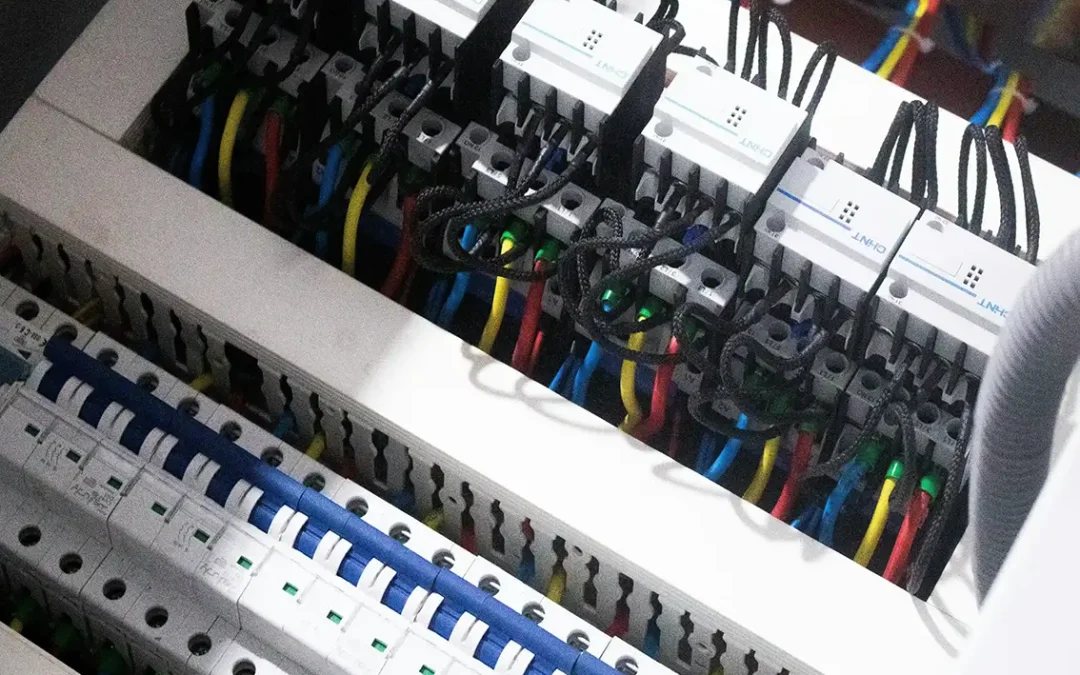
Electricity is the invisible force that drives nearly every aspect of a modern business — from lighting and climate control to computers, machinery, and security systems. A reliable electrical network ensures productivity, safety, and comfort for both employees and customers. However, electrical problems rarely appear overnight; they often build up slowly and silently behind walls, outlets, and circuits. A single hidden fault — a loose wire, overloaded panel, or worn insulation — can suddenly cause outages, equipment damage, data loss, or even fire hazards.
That’s why regular electrical inspections are not just a technical requirement but a critical part of responsible business management. They help detect small issues before they escalate into costly downtime or serious safety threats. Through scheduled maintenance and professional evaluations, companies can significantly reduce their risk exposure, ensure compliance with safety standards, and extend the lifespan of their electrical infrastructure.
In this article, we’ll explore the key benefits of routine inspections, the early warning signs that should never be ignored, and how preventative checks can safeguard your employees, your equipment, and the long‑term stability of your business operations.
Why are regular electrical inspections important?
Improved safety:
Routine inspections help identify risky wiring, loose connections, overloaded circuits, and worn components before they cause electric shock incidents or fires.
Lower repair costs:
Finding problems early is almost always cheaper than dealing with major breakdowns. Preventative maintenance reduces emergency callouts and expensive repairs.
Longer equipment lifespan:
Stable electrical performance and timely fixes can extend the life of your electrical equipment and reduce premature failures.
Compliance and standards:
Many industries must meet electrical safety requirements and codes. Regular inspections help you stay compliant, reduce liability, and avoid penalties or failed audits.
Signs you may need an urgent electrical inspection
- Burning smells, scorch marks, or visible sparking near outlets or panels
- Frequent breaker trips or blown fuses
- Flickering lights or unexplained power dips
- Unusual heat coming from wiring, plugs, or electrical panels
“Regular electrical inspections are one of the simplest ways to prevent serious incidents. Most electrical failures don’t happen overnight—they build up over time. A professional inspection can spot early warning signs and protect both people and equipment.”
Regular electrical inspections are a smart investment in safety, reliability, and long-term cost control. By scheduling professional checks and addressing issues early, you can reduce risk, avoid unexpected downtime, and keep your business running smoothly.